Finding reliable and cheap horse panels for sale often involves a critical trade-off between initial procurement costs and long-term structural durability. In livestock management, containment systems must not only be affordable but also capable of withstanding the immense pressure exerted by equine animals. This article examines the technical specifications and value drivers that determine whether a low-cost fencing solution is a sustainable investment for your farm or a liability.
For professional ranchers and equestrian facility managers, the primary challenge is balancing budget constraints with the necessity of animal safety. Low-quality panels can lead to sagging, corrosion, or catastrophic failure, risking animal injury. By understanding the relationship between steel grade, surface treatment—such as hot-dip galvanizing—and welding precision, buyers can identify high-value options that provide industrial-grade strength without an exorbitant price tag.
Readers will explore the essential criteria for selecting equine panels, including an analysis of corrosion-resistant coatings and the operational advantages of modular designs. We will also discuss how manufacturing capabilities, such as those employed by Cowan Machinery, influence the final product's stability. This guide provides a framework for evaluating suppliers to ensure that "affordable" does not mean "substandard," focusing on total lifecycle value rather than just the sticker price.
Evaluating the Value of Livestock Containment
The livestock fencing industry has evolved from simple wooden rails to sophisticated engineered steel systems. The core objective of any equine containment solution is to create a secure boundary that prevents escape while minimizing the risk of injury. When searching for cheap horse panels for sale, it is essential to recognize that the "value" is derived from the intersection of material strength and environmental adaptability. High-carbon steel, when processed through precision roll-forming and reinforced with professional welding, offers a level of rigidity that prevents bending under the weight of leaning horses.
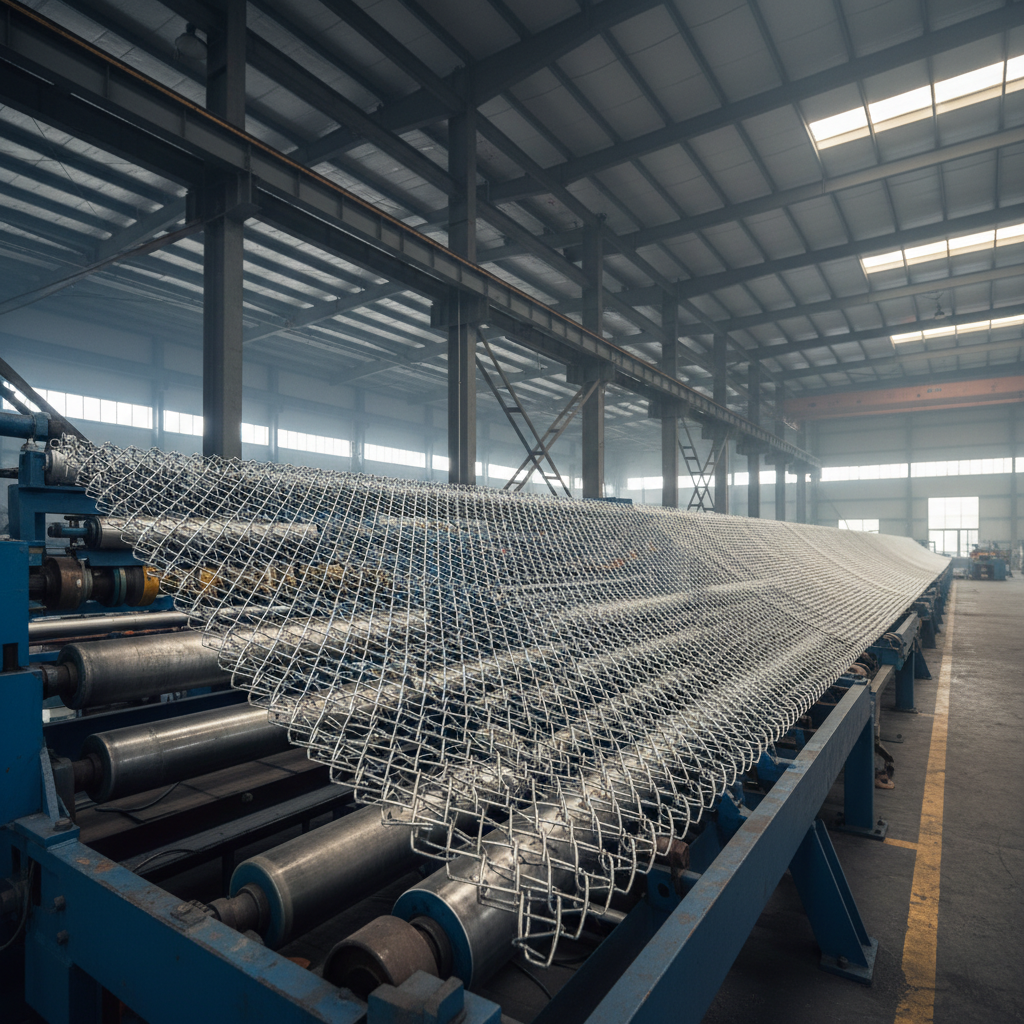
From a technical perspective, the efficiency of these systems depends on the consistency of the wire mesh or tube diameter. Inconsistent gauge thickness can create weak points that fail prematurely under stress. Furthermore, the integration of automated production lines ensures that each panel is identical in dimension, which is critical for rapid assembly. In the context of modern farm management, the ability to quickly divide paddocks or create temporary corrals allows for better herd rotation and health monitoring, directly impacting the operational efficiency of the ranch.
Guide to Selecting Durable Equine Fencing
Selecting the right panels requires a systematic approach that looks beyond the price. The following dimensions of analysis help procurement officers and farmers determine the suitability of a product for their specific environmental and animal-handling requirements.
Material Durability and Coatings
The lifespan of steel panels is primarily determined by their surface treatment. Raw steel oxidizes quickly, leading to structural failure. Professional-grade options utilize hot-dip galvanizing or powder coating to create a barrier against moisture and oxygen. Hot-dip galvanizing is particularly effective as it bonds the zinc to the steel, providing sacrificial protection that prevents rust even if the surface is scratched during installation.
| Coating Type | Corrosion Resistance | Initial Cost | Recommended Environment |
|---|---|---|---|
| Raw Steel | Very Low | Lowest | Indoor / Short-term use |
| Electro-galvanized | Moderate | Low | Dry, low-humidity areas |
| Hot-dip Galvanized | High | Medium | Outdoor / High-moisture |
| PVC Coated | Very High | Higher | Coastal / Chemical exposure |
| Powder Coated | High | Medium | Aesthetic / Urban farms |
| Zinc-Steel Alloy | High | Medium | General ranching |
Structural Integrity for Large Animals
Equine animals are known for their strength and tendency to lean or push against barriers. A panel's integrity depends on the gauge of the steel and the quality of the welds. Precision welding prevents joints from snapping under lateral pressure. Panels designed for heavy-duty use incorporate reinforced frames and strategically placed cross-braces to distribute force evenly across the structure, reducing the likelihood of deformation.
Rapid Assembly Mechanisms
Operational efficiency on a farm is often measured by how quickly infrastructure can be deployed. Modular panels designed for rapid assembly and disassembly allow for flexible paddock management. Using a system of secure pins or interlocking hooks ensures that panels stay connected without the need for permanent welding in the field, facilitating easy transport and reorganization of livestock areas.
Animal Welfare and Safety Design
Safety extends beyond the strength of the fence; it involves the design of the surfaces. Smooth-finished edges and the absence of sharp burrs are non-negotiable for equine safety. High-quality panels ensure that the wire spacing is optimized to prevent hooves or heads from becoming trapped, while the overall stability of the system prevents the "domino effect" where one failing panel brings down an entire line.
Weather Resistance and Lifespan
Outdoor equipment is subject to constant thermal expansion and contraction. Panels manufactured with high-grade industrial steel and treated with corrosion-resistant finishes can maintain their integrity for years without maintenance. The ability to withstand UV radiation and acid rain is a key differentiator between budget-grade imports and professional equipment designed for long-term agricultural use.
Customization for Specific Breed Needs
Different breeds require different containment specifications. A pony requires different spacing than a heavy draft horse. The ability to customize dimensions and design—offered by manufacturers with robust R&D capabilities—allows farmers to tailor their fencing to the specific height and weight of their livestock, ensuring maximum security and reducing animal stress.
Total Cost of Ownership Analysis
The cheapest purchase price often leads to the highest total cost of ownership due to frequent replacements and repair labor. A high-value procurement strategy focuses on "cost per year of service." By investing in panels with ISO 9000 and CE certifications, buyers reduce the risk of early failure, thereby lowering the long-term expenditure on materials and manpower.
FAQ
What is the difference between galvanized and powder-coated panels?
Galvanized panels are treated with a zinc coating through a chemical process (like hot-dip galvanizing) that protects the steel from rust on both the inside and outside. Powder coating is a dry powder applied electrostatically and cured under heat, providing a smooth, colorful finish and excellent surface protection. While galvanizing is generally superior for extreme outdoor rust prevention, powder coating is preferred for aesthetics and specific chemical resistance.
How do I know if a panel is strong enough for heavy horses?
Check the steel gauge (thickness) and the welding quality. Heavy-duty panels should be made from reinforced industrial steel with continuous welds rather than spot welds. Look for specifications that mention high-strength steel and a frame design that resists bending under lateral pressure. Panels with a high weight-to-surface-area ratio typically offer better stability for larger animals.
Are modular panels more expensive than permanent fencing?
The initial cost of modular panels can be higher than basic permanent wire, but they offer significant long-term savings in labor. Because they are designed for rapid assembly and disassembly, you can reconfigure your paddocks in minutes without digging new posts or welding. This flexibility reduces the need for multiple permanent installations across a large property.
How should I maintain steel livestock panels to prevent rust?
For hot-dip galvanized panels, maintenance is minimal. However, it is advisable to inspect the panels annually for deep scratches or physical damage that may have exposed the raw steel. If damage is found, applying a cold-galvanizing spray (zinc-rich paint) to the affected area can prevent rust from spreading. Keeping the area clear of excessive debris that traps moisture against the metal also extends the lifespan.
Can these panels be customized for specific dimensions?
Yes, professional manufacturers like Cowan Machinery provide OEM/ODM services. They can customize the height, width, and spacing of the mesh based on your provided drawings or samples. This is particularly important for facilities that need to integrate containment panels with existing structures or for those managing specific animal breeds with unique size requirements.
What certifications should I look for when buying livestock equipment?
Look for ISO 9000 certification, which indicates a consistent quality management system in the factory, and CE certification, which ensures the product meets safety and health standards. These certifications provide a baseline of assurance that the materials used are as specified and that the manufacturing process is controlled, reducing the risk of receiving defective or unsafe equipment.
References and further reading
- ASTM International - Standard Specifications for Zinc-Coated (Galvanized) Steel Sheet.
- Equine Safety Standards for Containment and Fencing - Industry Best Practices.
- ISO 9001:2015 - Quality Management Systems Requirements.
Related Articles